Injectable Steroids
 Oral Steroids
 Peptides
 HGH
HGH Sexual Health
 SARMs
SARMs Syringes & More
 Cycle Support
Steroids for Stamina

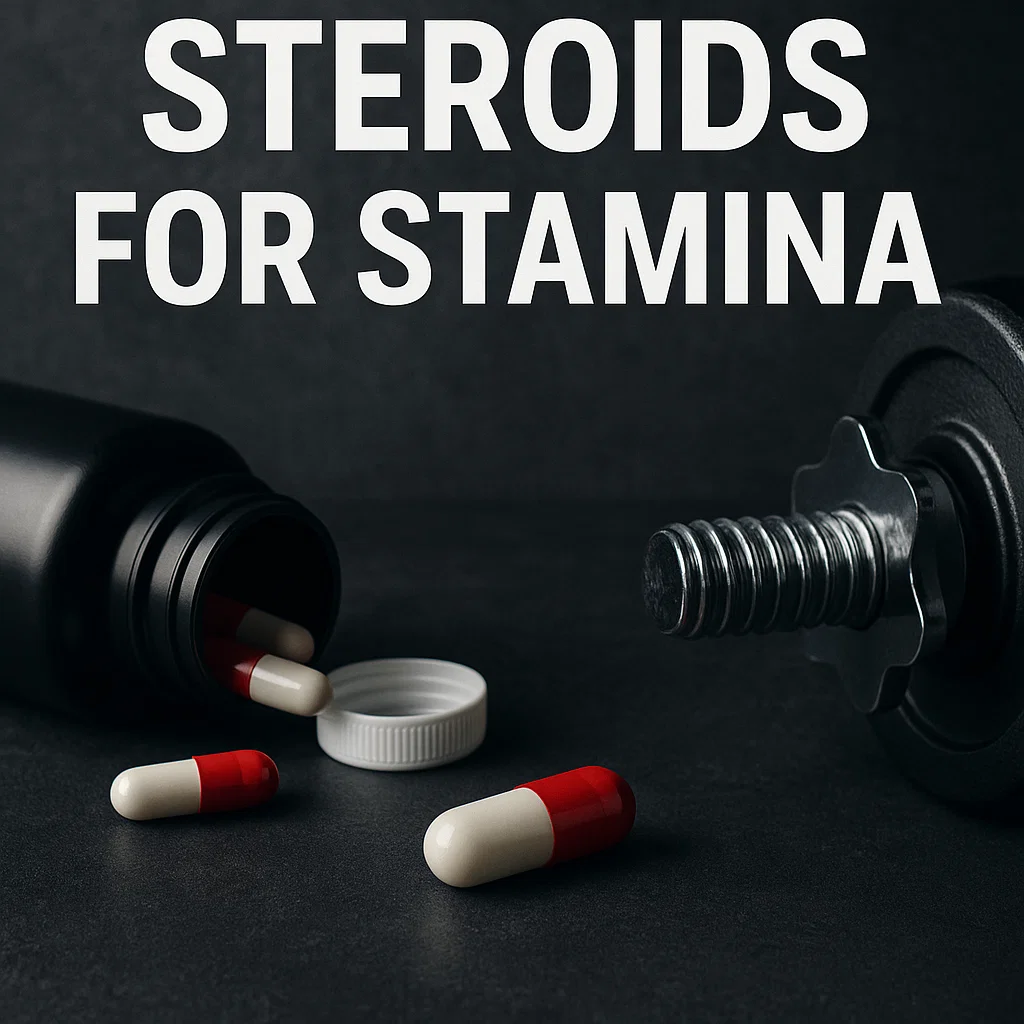
Steroids for Stamina: What Really Happens
“Stamina” gets tossed around to mean a lot of things—steady energy on long runs, not gassing out during high-rep sets, or keeping pace through back-to-back practices. When people ask about steroids for stamina, they’re usually wondering if anabolic-androgenic steroids (AAS) can make endurance feel easier. The short answer: some compounds can change physiology in ways that affect endurance, but the trade-offs are real, the risks add up fast, and training and recovery habits still do the heavy lifting.
Below is a clear, no-nonsense breakdown of how steroids might influence stamina, where the idea comes from, what the risks look like, and smarter ways to build staying power.
Pills aren’t a shortcut to real endurance.
What “Stamina” Actually Is
Stamina is the ability to sustain effort over time. It blends multiple systems:
-
Cardiorespiratory capacity (how well your heart and lungs deliver oxygen).
-
Muscular endurance (how long a muscle can repeat submaximal work).
-
Fuel management (glycogen sparing, fat oxidation).
-
Recovery between bouts (clearing metabolites, restoring phosphocreatine).
No single drug “flips” all of these. Training adaptation is still king.
How Anabolic Steroids Could Influence Endurance
Even though most people associate AAS with size and strength, there are mechanisms that can touch endurance:
-
Red blood cell production (erythropoiesis).
Androgens stimulate RBC formation. More RBCs can improve oxygen-carrying capacity, which may help time-to-exhaustion—but it also thickens the blood (higher hematocrit), raising the risk of high blood pressure, clots, and cardiac strain. -
Muscle fiber properties and recovery.
AAS can enhance protein synthesis and reduce breakdown, potentially shortening recovery windows between efforts. That doesn’t guarantee better marathon splits; it simply means you might bounce back from work a bit faster—again with trade-offs. -
Body composition shifts.
A leaner body often moves more efficiently. Some users chase stamina by cutting fat while preserving muscle. That said, tools used to drive leanness (including stimulants) can increase heart rate and blood pressure, degrading true aerobic performance.
If you’ve only heard about bulking oils and tablets, this is the family of products people mean when they say “AAS”: Injectable Steroids and Oral Steroids. Knowing what they are is not an endorsement to use them for endurance.
Compounds Often Mentioned in “Stamina” Discussions
This section explains why people talk about them, and the downsides that come along for the ride.
Boldenone (Equipoise)
A frequent topic in endurance circles because of its erythropoietic effect (higher RBC mass). Some athletes report steadier breathing on long efforts. The flip side is viscosity—blood gets thicker, which stresses the heart and raises clot risk, particularly at higher doses or with dehydration.
Curious what’s being referenced? See a typical listing here: Boldenone Undecylenate.
Oxandrolone (Anavar)
Reputed for strength-to-weight benefits and less water retention than many orals. A lighter frame with preserved force can feel more “efficient.” However, oxandrolone still harms HDL/LDL, can elevate blood pressure, and—like most orals—puts more strain on lipids and the liver.
Context page: Anavar.
Clenbuterol (not an AAS, but commonly paired)
A beta-2 agonist used to drive leanness. Some assume that lighter equals more stamina. In practice, clen often raises heart rate, increases tremor, and can trigger cramps, which tanks sustainable pace for many athletes.
Product context: Clenbuterol.
Important: None of the above was developed to make a healthy person’s heart better at long work. Benefits are uncertain and individualized; risks are well documented.
Strength gear meets endurance claims know the trade-offs.
The Cardiovascular Costs You Need to Count
If endurance is your goal, these are the red flags that matter most:
-
Hematocrit creep. Higher RBCs = thicker blood. Combine with heat, altitude, dehydration, or long travel and clot risk rises.
-
Blood pressure drift. Even modest chronic elevation chips away at arterial health and beats you up during training.
-
Arrhythmia potential. Electrolyte shifts, stimulants, and ventricular remodeling increase palpitations and irregular beats, especially when you’re fatigued.
-
Lipid damage. Low HDL and high LDL accelerate plaque formation—athletic on the outside, older arteries on the inside.
-
Cramping and heat intolerance. Particularly with agents that drive fluid shifts or stimulatory effects.
If you’re set on any pharmacology, at minimum have the boring stuff handled: blood pressure, labs, and basic kit hygiene (needles, alcohol swabs, safe disposal) from Syringes & Misc. Skipping basics is how preventable problems snowball.
What Actually Builds Stamina (and Lasts)
There’s no way around it: stamina is trained. The most reliable improvements come from things you can repeat safely all year.
1) Aerobic base + tempo work
-
Build volume at conversational pace to expand stroke volume and mitochondrial density.
-
Add controlled tempo/threshold sessions to raise your sustainable output.
2) Strength that supports economy
-
Two full-body sessions per week (push, pull, hinge, squat, calf, trunk).
-
Aim for keep-you-together strength: better stiffness in ground contact, fewer overuse injuries, improved posture under fatigue.
3) Body mass you can carry
-
Moderate, sustainable leanness improves economy without compromising immunity or hormones. If you’re cutting, think longer runway, smaller deficit, and enough protein.
4) Sleep and fueling
-
Seven to nine hours beats any shortcut.
-
Carbs are your friend around quality sessions; sodium and fluids matter more than trendy supplements on long days.
5) Progressive load management
-
Two to three “key” days per week, not seven.
-
Pull back when HRV, resting HR, mood, or eagerness to train slide for more than a few days.
If you’re already on prescription therapy under a clinician’s care, organize adjunct items (AIs, SERMs) in one place and read labels—support lives here: Cycle Support—but remember that “more support” isn’t a fix for a bad plan.
Where People Get Misled
-
“Faster fat loss means better stamina.” Sometimes you simply trade energy and hydration for the illusion of leanness. Endurance tanks when carbs and fluids are chronically low.
-
“Higher hematocrit means more oxygen so it must be better.” There’s a curve. Past a point, oxygen carrying doesn’t offset thicker blood and cardiac strain.
-
“If I feel strong, I’m healthier.” A strong squat doesn’t cancel stiff ventricular walls, crummy lipids, or borderline hypertension.
If You’re Evaluating Options with a Clinician
In legitimate medical contexts, therapeutic testosterone might be used to correct deficiency, which can help energy and training consistency—but that’s a diagnosed condition, not a stamina hack. If you’re deep-diving product pages for understanding, the long-ester base loads people reference look like this: Injectable Steroids. Proper medical care also plans on and off-ramps, monitoring, and realistic timelines.
A Smarter Roadmap to “More in the Tank”
-
Pick the engine: For 8–12 weeks, choose one primary goal—10K pace, ruck endurance, or high-rep work capacity—and bias your training to it.
-
Protect recovery days: Easy means easy. If every session feels medium-hard, your progress will be medium-slow.
-
Fuel the work: 30–60g carbs per training hour for efforts over ~75 minutes. Salty sweaters need sodium.
-
Use the gym wisely: A few big lifts, moderate sets, tidy sessions. Strength helps endurance most when it doesn’t steal recovery.
-
Track the big four: Morning weight, resting HR, sleep hours, and perceived fatigue. If three drift the wrong way, pivot.
The Bottom Line
-
Some steroids can alter physiology in ways that may touch endurance—most notably via red blood cell production and body-composition effects.
-
Those same changes raise cardiovascular and metabolic risks, and stimulant-style tools that “feel” like stamina often hurt true aerobic performance.
-
The most dependable way to build stamina is still progressive training, solid sleep, smart fueling, and seasonal planning.
-
If you’re managing any protocol—medical or otherwise—handle the basics responsibly, and keep essential supplies organized (Syringes & Misc) and post-phase essentials in one place (Cycle Support).
In short: if stamina is the goal, train the engine. Drugs promise shortcuts but usually charge interest—with your heart and long-term performance footing the bill.