Injectable Steroids
 Oral Steroids
 Peptides
 HGH
HGH Sexual Health
 SARMs
SARMs Syringes & More
 Cycle Support
Tri Trenbolone vs. Trenbolone Enanthate: The Ultimate Comparison Guide

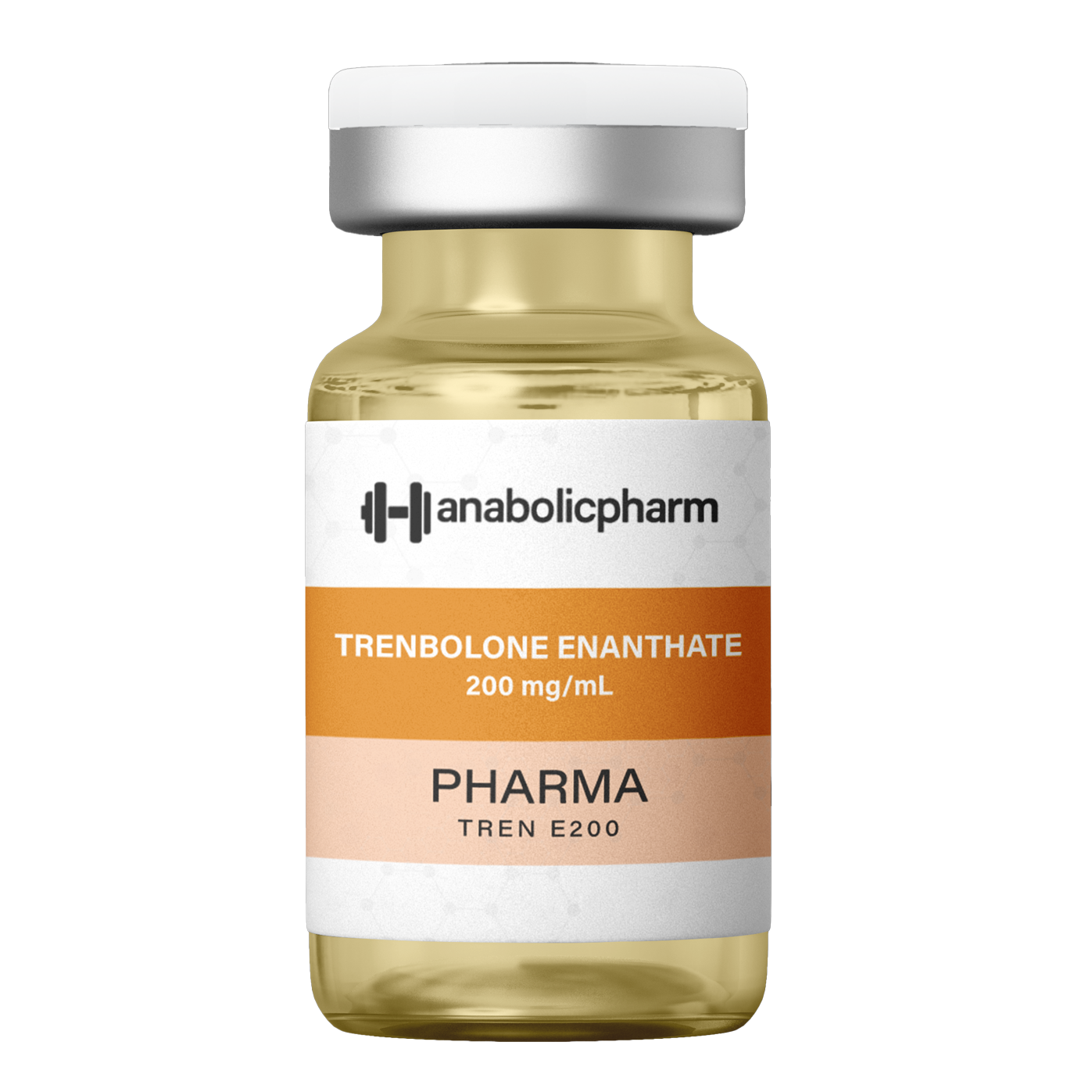
Tri Trenbolone vs. Trenbolone Enanthate: The Ultimate Comparison Guide
In the world of performance enhancement, Trenbolone is universally revered—and feared—as the “King of Anabolic Steroids.” With an anabolic and androgenic rating of 500/500 (five times more potent than Testosterone), it is the most powerful compound available for building lean muscle, shredding fat, and dramatically increasing strength.
However, once an athlete decides to step up to the level of Trenbolone, a new question arises: Which version should I use?
While the active hormone (Trenbolone) is the same, the delivery system—the attached esters—changes everything. The two most debated variations for longer cycles are Trenbolone Enanthate (the slow-release standard) and Tri Trenbolone (a multi-ester blend).
This guide explores the pharmacology, pharmacokinetics, dosing protocols, and side effect profiles of both compounds to help you understand which one aligns with your cycle goals.
Part 1: The Contenders
To understand the difference between these two products, you first need to understand the role of an ester. An ester is a chemical chain attached to the hormone molecule. It does not change what the hormone does (build muscle), but it dictates how fast the hormone is released into the bloodstream and how long it stays there.
1. Trenbolone Enanthate (Tren E)
Trenbolone Enanthate is the long-ester version of the hormone. It is structurally similar to Testosterone Enanthate.
-
The Profile: It is designed for a slow, steady release. Once injected, the body slowly breaks down the enanthate ester to release the Trenbolone over several days.
-
Half-Life: Approximately 7 to 10 days.
-
Primary Use: Longer bulking or recomp cycles where stability and infrequent pinning are preferred.
2. Tri Trenbolone (Tren Mix)
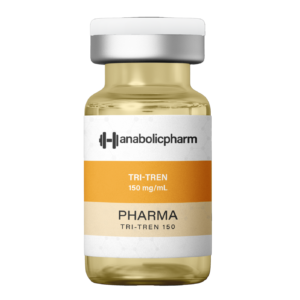
Tri Trenbolone is a blend of three distinct Trenbolone esters in a single vial. It is the Trenbolone equivalent of “Sustanon 250.” A typical 150mg/ml mix usually contains:
-
Trenbolone Acetate (50mg): Short ester (fast acting).
-
Trenbolone Enanthate (50mg): Long ester (slow acting).
-
Trenbolone Hexahydrobenzylcarbonate (50mg): Medium/Long ester (sustained release).
-
The Profile: The concept behind Tri Tren is to provide the “best of both worlds”—the rapid kick-in of the Acetate ester, followed by the sustained duration of the Enanthate and Hex esters.
Part 2: Pharmacokinetics & Stability
The most significant difference between Tren E and Tri Tren is blood plasma stability. This is the technical term for how steady the hormone levels remain in your blood.
Trenbolone Enanthate: The Smooth Operator
Trenbolone Enanthate is prized for its stability. Because it relies on a single, long ester, the release rate is predictable.
-
The Curve: When you pin Tren E, levels rise gradually, peak, and then taper off slowly.
-
The Benefit: This stability is crucial for managing side effects. Sharp spikes and drops in hormonal levels are often the trigger for acne, mood swings, and libido issues. By keeping levels consistent, Tren E provides a smoother ride for the user.
Tri Trenbolone: The Rollercoaster
Tri Tren is chemically more complex.
-
The Curve: Immediately after injection, the Acetate component spikes your levels within hours, providing an instant “kick.” As the Acetate drops off after 24-48 hours, the Hex and Enanthate esters begin to release.
-
The Drawback: While this sounds efficient, it can create fluctuating blood levels (“peaks and valleys”) if the injection frequency isn’t dialed in perfectly. If you inject Tri Tren once a week, the Acetate leaves your system long before the next pin, causing a crash. Therefore, despite containing long esters, Tri Tren often requires more frequent administration to keep the Acetate levels stable.
Part 3: Injection Frequency & PIP (Post-Injection Pain)
For many users, the choice comes down to how often they are willing to inject and how much pain they can tolerate.
Injection Frequency
-
Trenbolone Enanthate: Due to its long half-life, Tren E is very convenient. It is typically injected twice per week (e.g., Monday and Thursday) to maintain optimal stability. Some users even get away with once every 5 days, though twice a week is the gold standard.
-
Tri Trenbolone: This is where users get confused. Because it contains long esters, people assume it’s a weekly injection. However, because it also contains Acetate (which has a 2-day half-life), injecting it once a week results in unstable blood levels. To get the most out of Tri Tren, it should be injected every other day (EOD) or at least every 3 days.
Post-Injection Pain (PIP)
This is a major differentiator.
-
Tren E: Generally smooth. Most pharmaceutical-grade (or UGL grade) Tren Enanthate is painless and flows easily through a 25g needle.
-
Tri Tren: Notorious for high PIP. To dissolve three different esters with different molecular weights into a single oil solution often requires a higher concentration of solvents (like Benzyl Alcohol or Benzyl Benzoate). This can lead to significant soreness, redness, and “knots” at the injection site, which can be debilitating for some users trying to train legs or shoulders.
Part 4: Side Effects Management
Trenbolone carries a heavy side effect load regardless of the ester. Users can expect night sweats, insomnia (Trensomnia), increased aggression, anxiety, and cardio reduction. However, the ester dictates how you manage these side effects.
The “Bail Out” Factor
-
Tren E (The Trap): The downside of a long ester is clearance time. If you develop severe side effects—such as extreme anxiety or paranoia—and decide to stop the cycle, Tren Enanthate will remain active in your system for 2 weeks or more. You are essentially “trapped” with the side effects until the ester clears.
-
Tri Tren (The Hybrid): While the Acetate portion clears fast, the Enanthate and Hex portions will still linger. It suffers from the same “trap” issue as Tren E.
Note: This is why beginners are always told to start with Trenbolone Acetate alone. If side effects become unbearable, Acetate clears the system in 24-48 hours.
“Tren Cough”
Tren Cough is a sudden, violent coughing fit that occurs immediately after injection if a small amount of oil enters a blood vessel.
-
Tri Tren: Much more likely to cause Tren Cough. The Acetate ester is rapidly absorbed, and the higher solvent concentration irritates the lungs more intensely if it hits the bloodstream.
-
Tren E: While still possible, Tren Cough is significantly less common and less severe with Enanthate.
Part 5: Results and Efficacy
Is one stronger than the other?
Technically, no. 100mg of Trenbolone is 100mg of Trenbolone, regardless of the ester. However, the ester weight plays a minor role.
-
Ester Weight: Esters take up space in the solution. Acetate is a very light ester, meaning per 100mg of oil, you get about 87mg of actual Trenbolone hormone. Enanthate is a heavier ester; per 100mg of oil, you get about 70mg of actual hormone.
-
Concentration: Because Tri Tren contains Acetate, it is arguably “milligram for milligram” slightly more potent than pure Enanthate, simply because there is more active hormone and less ester weight in the vial.
The “Look”:
-
Tren E: Produces the classic Trenbolone look—full, dry, vascular, and hard. It takes about 3–4 weeks to really “kick in” and show visible changes in the mirror.
-
Tri Tren: Delivers results faster due to the Acetate. Users may notice increased strength and dryness within the first week, with the sustained hardening effects following later.
Part 6: Which One Should You Choose?
The decision usually categorizes users into two camps: the “planners” and the “experimenters.”
Choose Trenbolone Enanthate If:
-
You value stability: You want fewer mood swings and less acne.
-
You hate needles: You prefer injecting only twice a week rather than every other day.
-
You are running a long cycle: For a 10–12 week bulk or recomp, Enanthate is the most logical, comfortable choice.
-
You want to minimize PIP: You need to be able to train without injection site pain hindering your movement.
Choose Tri Trenbolone If:
-
You want a kickstart: You want the benefits of Trenbolone immediately without waiting 4 weeks for saturation.
-
You don’t mind pinning frequently: You are already pinning other short esters (like Test Prop) and don’t mind the schedule.
-
You are an advanced user: You have run Tren before, know how your body reacts, and want to experiment with the unique timing of a blend.
Summary Comparison Table
| Feature | Trenbolone Enanthate | Tri Trenbolone (Mix) |
| Components | Single Ester (Enanthate) | 3 Esters (Acetate, Enanthate, Hex) |
| Kick-in Time | Slow (2–3 weeks) | Fast (Immediate via Acetate) |
| Half-Life | ~7–10 Days | Variable (Mixed) |
| Injection Frequency | 2x Per Week | Every Other Day (Recommended) |
| Blood Stability | High (Smooth levels) | Lower (Peaks and Valleys) |
| Injection Pain (PIP) | Low | Moderate to High |
| Best For | Long cycles, bulking, comfort | Kickstarting, advanced experimentation |
| Side Effects Risk | Standard Tren sides | Standard + Higher risk of Tren Cough |
Conclusion
For 90% of athletes, Trenbolone Enanthate is the superior choice. Its predictable release curve, ease of administration, and reduced injection pain make it a manageable compound for a difficult hormone. It allows you to reap the benefits of Trenbolone—the unparalleled aggression, strength, and nutrient partitioning—with the least amount of logistical hassle.
Tri Trenbolone, while popular in niche circles, is often considered a marketing novelty. While the idea of a “multi-stage release” sounds high-tech, in practice, it forces the user to inject frequently (to satisfy the Acetate half-life) while dealing with the side effects of long esters. Unless you specifically desire the rapid onset combined with a long tail, the simplicity of Enanthate usually wins.